Getting a pedicure is even better when the physical location of the salon is newly painted. Having the tresses taken care of at the salon is a perfect way to relax and feel pampered.
Some people even go on vacation to get this treatment. Festive events in your local area may want to use elaborate nail designs or bronze colored nails. It may be something you really want to happen. If you paint your nails in a cheerful shade, it will probably be a good way to catch people’s eyes.
You can text your friends that are planning on going, and ask them to color their nails in the same shade as yours. Your manicure and pedicure appointment will be great when you see the results. text your friends that are planning on going, and ask them to color their nails in the same shade as yours.
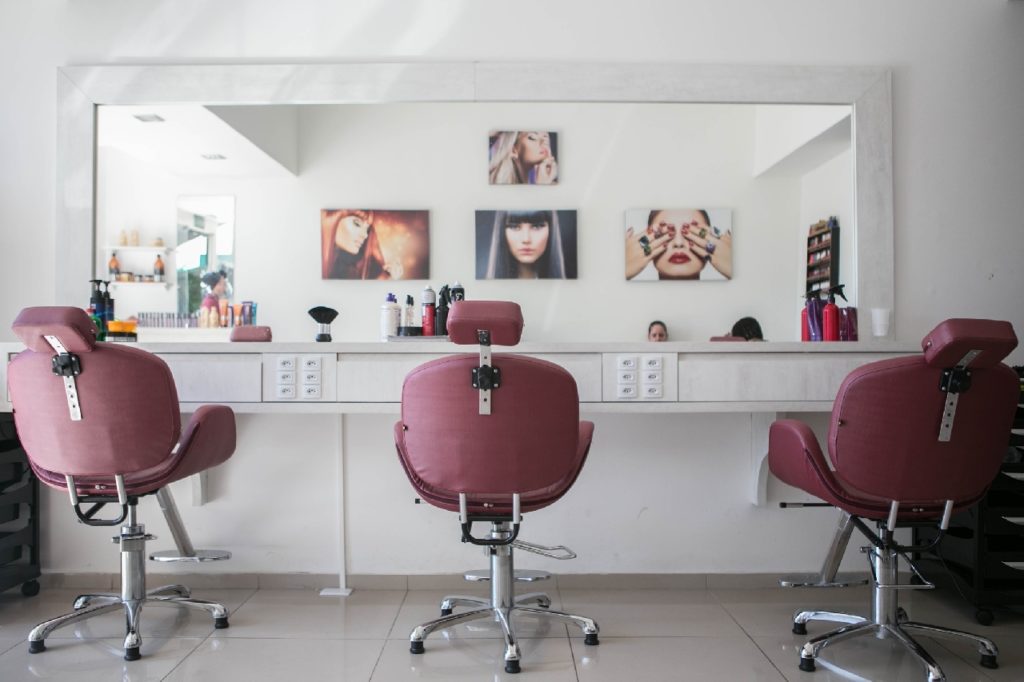
You may want to get a text of nail design that you saw on a nail art site. You can ask the artist to create the design. This is fun, and will definitely get your creative juices flowing. You can also visit other websites that offer nail art and designs. Many of the designs are very creative and will stand up to a lot of touch-up
When getting a manicure, pedicure, or other beauty treatment at home, it is important to keep a few things in mind. Keep the nails trimmed and tidy. Once the nails are trimmed and clean, they can be painted immediately.
The nail artist’s at a good Nail Salon can apply a pre-soaked nail polish to the nails and place stickers on the nails. Ask the artist to paint catchy words on the nails, such as “Mix and Match Nail Stickers” or “Hot Nail Colour”. The words can be anything that the customer wants to stand out.
The pedicurist will definitely appreciate the ironic and/or clever word therapy. There are plenty of good books on nail care and styling. How to cut nails, how to shape nails, what different nail tools do, and other useful information can be found in these books.
Sometimes the artist can even demonstrate some special technique for the client at home. It is easy to get stuck in a rut, especially with a new style of nail art. Sometimes the customer is in a rut. Take the time to ask the client what nail she would like. Find out what kind of nail she would like.
What color? Then think about the client’s personality. Would the client like to choose something ultra- feminine or something more neutral? We as nail artists should take the time to develop these questions.
We need to imagine the different combinations of nail art to make sure the client is getting the nails she wants. Promoting business through creative nail art is a wonderful way to attract customers and increase business. Start out taking the time to develop strategy.
Designers are creative in solution and that will help your business. When the client purchases a design that complements their personality, you have added a specialty offer.
Start thinking about the creative side of business and how the nails can be an area to bring in new business.